Skip the Tourist Traps: 7 American Festivals Where You're Invited, Not Just Tolerated
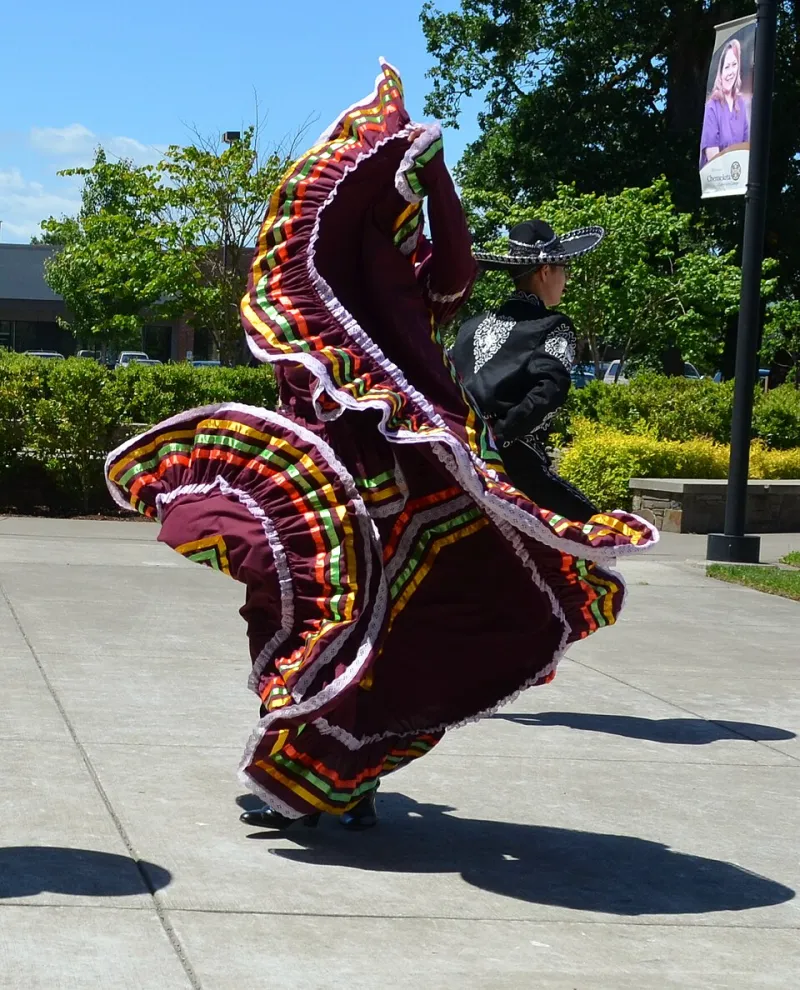
Photo: LaharCaldera, CC BY-SA 4.0, via Wikimedia Commons
Every community in this country has a party, and most of them are better than the ones with gift shops. We're talking about the festivals organized by church basements and cultural associations, the ones where the food is made by someone's actual grandmother and visitors are welcome — as long as they remember they're visitors. Here are seven worth building a trip around, plus the etiquette to bring with you.
1. Water Festival for Cambodian New Year — Minnesota
Yes, Minnesota. The state's Cambodian community — one of the largest in the Midwest — rings in the Khmer New Year each April with a water festival featuring traditional dance, sand mound blessings, and community meals that will ruin restaurant food for you temporarily.
When: Mid-April. Go if you love: Dance performances that fill a high school gym with more color than it's ever seen.
2. Norsk Høstfest — North Dakota
North America's largest Scandinavian festival takes over the Minot fairgrounds every fall with five entertainment halls, lefse made by the mile, and enough handcrafted Norwegian goods to redecorate a cabin.
When: Late September. Go if you love: Accordions, genealogy booths, and learning that your great-grandmother's krumkake recipe was actually wrong.
3. National Folk Festival (Rotating Host Cities)
This traveling festival picks a new American city every three years and fills it with stages, craft demonstrations, and foodways from across the diaspora — all free to attend. Recent hosts include Salisbury, Maryland, and Jackson, Mississippi.
When: Varies by host city, typically summer or fall. Go if you love: Discovering a musical tradition you didn't know existed an hour ago.
4. Greek Food Festivals — Everywhere, But Especially the South
Nearly every mid-sized American city has one, and the formula is undefeated: church volunteers, handmade spanakopita by the hundreds, tours of the sanctuary, and dancing lessons that start awkward and end joyful.
When: Mostly spring through fall. Go if you love: Being fed by people who will absolutely not let you leave hungry.
5. Powwows Across Indian Country
From the Gathering of Nations in Albuquerque — the largest in North America — to hundreds of local and regional powwows, these are living celebrations of Native dance, drum, and regalia. Crucially: they're not performances for tourists. They're community gatherings that often welcome the public.
When: Year-round, peaking in summer. Go if you love: Grand entry — one of the most moving spectacles in American life.
6. Hmong Sports Festival — Minnesota and Wisconsin
Every July, tens of thousands gather in the Twin Cities area for Hmong Independence Day celebrations: top-tier volleyball and soccer tournaments, traditional clothing, and food stalls serving papaya salad with heat levels that mean it.
When: Early July. Go if you love: Competitive volleyball at a level that will shock you.
7. Juneteenth in Galveston, Texas
The place where it all started. Galveston marks June 19 — the day the last enslaved Americans learned of their freedom in 1865 — with parades, readings, and celebrations that have deepened as the holiday went national.
When: June 19. Go if you love: History you can stand inside of.
How to Be a Guest, Not a Gawker
A few ground rules that apply to all seven:
- Ask before you photograph. Especially at powwows and ceremonies — some dances and moments are not for cameras.
- Buy the food. Seriously. Festival food sales fund the community's year. Skip lunch and make it count.
- Follow the crowd's lead. If you don't know whether an activity is open to visitors, ask a volunteer. The answer is usually yes, and they'll usually teach you.
- Donate beyond your ticket. Many of these events are labors of love run on shoestring budgets.
- Learn one word. A greeting in Khmer, Hmong, or Lakota buys more goodwill than any souvenir.
The best thing about American culture is that it's not one thing — it's a patchwork of neighborhoods that kept their traditions alive and then, generously, left the door open. These festivals are the door. Walk through it like you were raised right.