Forget the Gym: Your Library Card Is the Most Underrated Membership in America

Photo: USFWS Mountain Prairie, Public domain, via Wikimedia Commons
Pollsters have spent the last decade asking Americans which institutions they trust, and the results read like a slow-motion breakup: Congress, the media, big corporations — all sliding downhill. But one answer keeps confounding the doom-and-gloom crowd. Public libraries consistently rank among the most trusted institutions in American life, and in many surveys, they're the most trusted of all.
That's not an accident. It's the result of a quiet, nationwide reinvention that most people haven't fully noticed — mostly because it's happening inside a building they last visited for a school book report.
The Living Room Nobody Owns
Sociologists love to talk about "third places" — the spots that aren't home and aren't work where community actually happens. Coffee shops charge you for the privilege. Gyms charge you more. The library asks for nothing but a card, which means it might be the last truly democratic room in America.
Walk into a well-run branch today and you'll find teenagers doing homework next to seniors reading newspapers in Vietnamese, job seekers polishing résumés in a free computer lab, and a knitting circle that's been meeting every Thursday since the Clinton administration. Nobody's checking your income at the door. Nobody's trying to sell you anything.
"We're not in the book business," one branch manager in Ohio told me. "We're in the neighborhood business. Books are just how we got here."
More Than Books: The New Library Playbook
The reinvention shows up in the details:
- Tool libraries in Oakland, Seattle, and a growing list of cities lend drills, sewing machines, and cake pans — because not everyone needs to own a tile saw.
- Citizenship corners help immigrants navigate naturalization, practice for the civics test, and register to vote, often in a dozen languages under one roof.
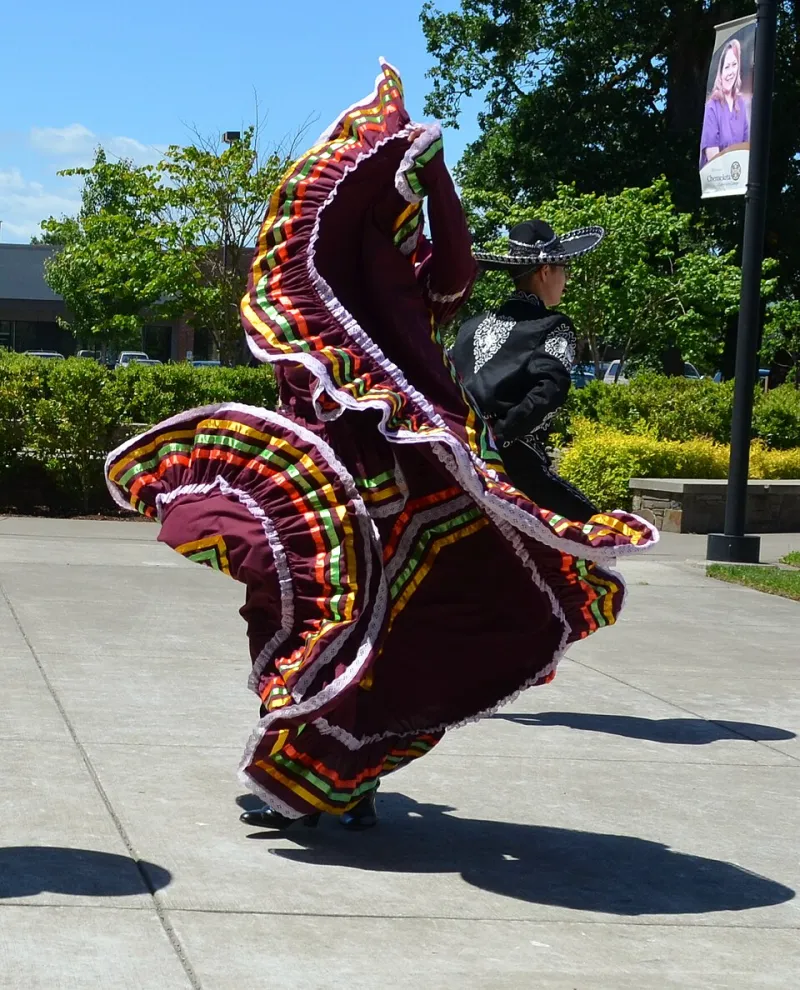
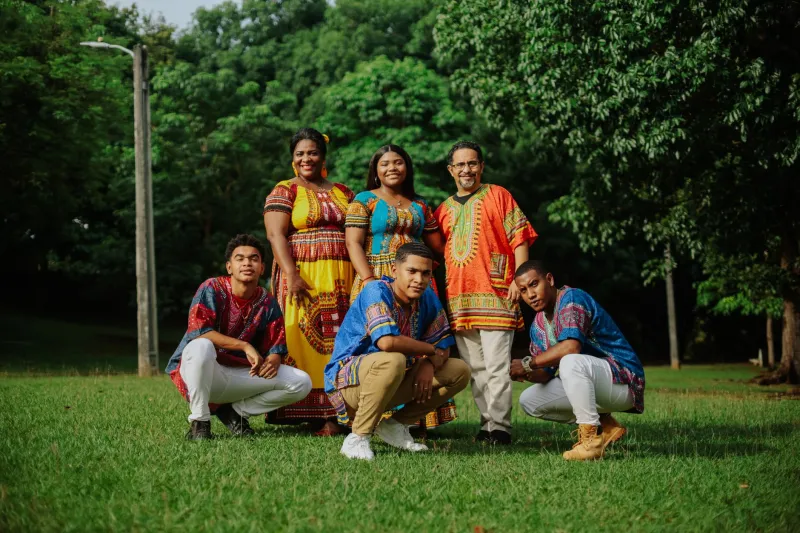
- Cultural heritage archives are preserving neighborhood history that would otherwise vanish — oral histories from longtime residents, digitized photos of churches and storefronts, menus from restaurants long gone.
- Multilingual story hours mean a toddler in Fresno can hear a story in Hmong on Tuesday and Spanish on Thursday.
- Museum passes, hot spot lending, and even fishing gear — yes, fishing gear — turn a free card into a passport for the whole region.
This is what happens when an institution stops asking "how do we get people to come to us?" and starts asking "what does this block actually need?"
Librarians as Community Diplomats
Here's the part that doesn't show up in the job description: librarians have become the de facto social workers, notaries, and translators of American neighborhoods. They help people who've been turned away everywhere else. They host conversations across political lines without a single raised voice — a feat most of Congress hasn't managed in years.
There's a reason for that. Libraries don't belong to a party, a company, or a subscription tier. They belong to everyone, and everyone knows it. That ownership shows up in small ways: the retired teacher who volunteers at the front desk, the church group that runs the winter coat drive in the lobby, the teens who designed the new maker space themselves.
What Your Card Is Actually Worth
Quick math: the average US library card unlocks thousands of dollars a year in value — e-books, streaming, audiobooks, research databases, classes, and free meeting space. If libraries charged like every other platform, we'd call it the best deal in tech.
But the real value is harder to price. It's the kid in a rural county who gets broadband at the branch because home has none. It's the grandmother who learns to video-call her grandkids in a one-on-one tech session. It's the newcomer who practices English with a stranger who becomes a friend.
Show Up Like You Own the Place — Because You Do
If you haven't been inside your local branch lately, here's your invitation. Get the card. Attend the heritage month celebration. Donate to the friends-of-the-library sale. Ask the librarian what the neighborhood needs — they'll have a list, and it'll surprise you.
In a moment when it's fashionable to distrust institutions, the library is the exception that proves the rules: when something genuinely serves everyone, everyone shows up. Trust isn't manufactured. It's lent out, one free card at a time.